
Japanese cuisine, renowned for its meticulous attention to detail, extends its artistry to the visual presentation of sauce-based dishes. From the vibrant hues of teriyaki to the glossy sheen of tonkatsu, these culinary creations are a symphony of color, texture, and presentation. The careful selection of ingredients, the strategic placement of garnishes, and the evocative lighting all contribute to an overall aesthetic experience that elevates the dining experience beyond the purely gustatory.
This exploration delves into the captivating world of Japanese sauce dishes, examining the interplay of visual elements, cultural influences, and modern interpretations. We’ll dissect the historical context, highlighting the evolution of presentation styles, and comparing traditional techniques with contemporary approaches. The discussion will also touch on the role of specific ingredients, garnishes, and lighting in creating an immersive aesthetic experience.
Visual Aesthetics of Japanese Sauce Dishes
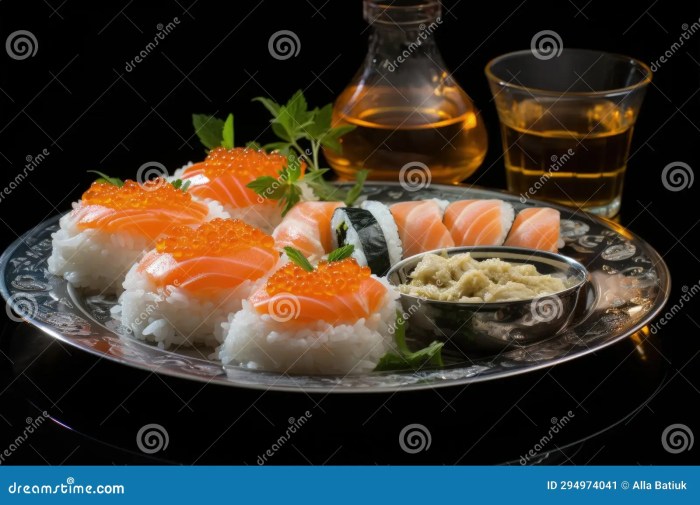
Japanese cuisine is renowned for its meticulous attention to detail, extending even to the presentation of sauce-based dishes. The visual appeal of these dishes is often a crucial component of the dining experience, influencing not only aesthetic appreciation but also the overall perception of flavor and quality. Beyond the taste, the way these dishes are visually presented plays a significant role in their enjoyment.
Color Palettes
Japanese sauce dishes often employ a range of vibrant colors, carefully selected to complement each other and the ingredients. Deep reds and oranges, characteristic of many Japanese sauces, frequently contrast beautifully with the subtle greens of vegetables or the whites of fish. These vibrant colors create a visually stimulating and appetizing presentation. Complementary color schemes, such as using blues or purples to highlight specific elements within the dish, further enhance the aesthetic appeal.
The use of muted tones, such as warm browns or beige, can also be seen in some presentations, providing a sophisticated backdrop to the more striking colors. This carefully orchestrated color palette contributes to the dish’s overall visual harmony.
Textures and Visual Elements
The textures and visual elements employed in Japanese sauce dishes are crucial to their aesthetic appeal. Glossy surfaces, often achieved through careful preparation or the use of specific ingredients, are frequently seen in these dishes, lending a sense of richness and sophistication. The vibrant hues of sauces, whether thick and viscous or light and flowing, contribute to the visual dynamism of the dish.
Garnishes, often featuring fresh herbs, finely sliced vegetables, or delicate edible flowers, add an element of visual interest and further highlight the artistry of the presentation. These garnishes often serve a dual purpose, enhancing the aesthetic while potentially complementing the flavor profile of the dish.
Presentation Techniques
Presentation techniques significantly influence the overall aesthetic appeal of Japanese sauce dishes. Plating styles, ranging from simple and elegant to elaborate and artistic, contribute to the visual impact. The arrangement of ingredients, whether arranged in a symmetrical pattern, a flowing design, or a more improvisational style, is a crucial aspect of the presentation. Careful consideration is given to the spacing and layering of ingredients, ensuring a balanced and harmonious composition.
The interplay of textures, colors, and shapes in the arrangement creates a visually engaging presentation that enhances the overall dining experience.
Plating Styles
| Plating Style | Dish Examples | Description |
|---|---|---|
| Simple & Elegant | Grilled salmon with teriyaki sauce, seared scallops with ponzu | Clean lines, minimal garnishes, focus on the quality of the ingredients. The dish’s simplicity allows the natural flavors and textures to shine. |
| Layered Harmony | Vegetable stir-fry with black bean sauce, udon noodles with a variety of sauces | Different layers of ingredients and sauces are arranged in a visually appealing and balanced way. The interplay of textures and colors contributes to the overall aesthetic. |
| Artistic Arrangement | Sushi with elaborate sauces, tempura with various dipping sauces | Creative and artistic arrangements of ingredients and sauces. This style often incorporates elements of Japanese aesthetics like asymmetry and natural forms. |
Cultural Influences on the Aesthetic
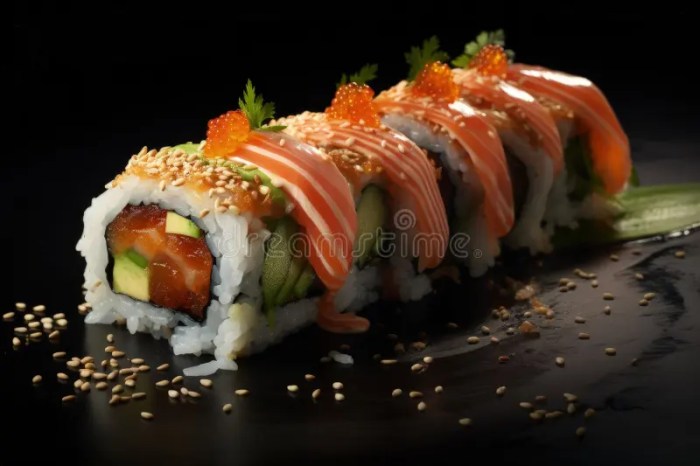
Japanese sauce dishes, a testament to culinary artistry, are deeply rooted in the nation’s rich history and cultural values. From the delicate balance of flavors to the meticulous presentation, these dishes reflect a profound respect for tradition and a keen appreciation for aesthetics. The ingredients, techniques, and overall visual language are intrinsically linked to Japanese philosophy, creating a distinct culinary identity.The use of ingredients in Japanese sauce dishes is not arbitrary but rather carries symbolic weight, often reflecting the seasons, local harvests, and the interplay of nature.
This respect for origin and the passage of time, fundamental to Japanese aesthetics, translates into dishes that celebrate simplicity and the inherent beauty of natural ingredients.
Historical and Cultural Significance of Ingredients
Japanese cuisine places a high value on seasonal ingredients, known as “shun-sai.” This concept dictates that dishes should utilize ingredients at their peak ripeness and flavor, reflecting the changing of the seasons. Soy sauce, miso, and mirin, staples in many Japanese sauce dishes, are not merely flavor enhancers but hold cultural significance, representing generations of culinary knowledge and tradition passed down through families.
For example, the use of shiitake mushrooms, often incorporated into dashi-based sauces, symbolizes abundance and longevity, rooted in the reverence for nature’s bounty.
Role of Japanese Aesthetics in Visual Presentation
Japanese aesthetics, exemplified by principles like wabi-sabi and minimalism, significantly impact the visual presentation of sauce dishes. Wabi-sabi, emphasizing the beauty of imperfection and the transience of beauty, often manifests in the artful arrangement of ingredients, the subtle use of color, and the deliberate showcasing of natural textures. Minimalism, another key aesthetic principle, promotes simplicity and clarity in design, evident in the carefully curated plates, the delicate balance of colors, and the avoidance of clutter, allowing the inherent beauty of the food to shine.
The concept of “ichigo ichi-e” (one thing, one time) also plays a crucial role, as each dish is intended to be savored in its own unique moment.
Comparison with Other Asian Cuisines
Japanese sauce dishes, while sharing some similarities with other Asian cuisines, exhibit distinct visual characteristics. Korean sauce dishes, for instance, often feature a broader spectrum of colors, owing to the use of red pepper flakes and other vibrant ingredients. Textures in Korean dishes frequently exhibit a greater contrast, ranging from the smooth to the crunchy, while Japanese dishes often lean towards a more refined, subtle interplay of textures.
Presentation in Japanese cuisine tends towards a more restrained, almost minimalist approach, prioritizing the inherent beauty of the ingredients, in contrast to the often bolder, more elaborate presentations found in some other Asian cuisines.
Comparison Table: Japanese vs. Korean Sauce Dishes
| Aesthetic Element | Japanese Sauce Dishes | Korean Sauce Dishes |
|---|---|---|
| Color Palette | Subtle, often muted tones, drawing inspiration from nature; reliance on natural colors. | More vibrant and bold colors, often incorporating red peppers, greens, and yellows. |
| Texture | Emphasis on delicate and refined textures, showcasing natural textures and subtle contrasts. | Often featuring a wider range of textures, from smooth to crunchy, often contrasting elements within a dish. |
| Presentation | Minimalist, highlighting the ingredients’ natural beauty; careful arrangement of ingredients. | Often more elaborate and visually impactful, with more assertive arrangements and often bolder decorations. |
| Ingredient Focus | High emphasis on seasonal ingredients, often showcasing their natural forms. | Emphasis on bolder flavors and strong contrasts in flavors. |
Ingredient Selection and Visual Impact
The meticulous selection of ingredients plays a pivotal role in the visual appeal of Japanese sauce dishes. From the vibrant hues of meticulously chosen vegetables to the glistening sheen of expertly prepared proteins, the visual harmony created directly impacts the diner’s experience. The presentation of a dish, beyond the taste, often communicates the chef’s skill and cultural sensitivity.The choice of ingredients, particularly their color, texture, and arrangement, can significantly enhance the visual aesthetic.
Contrast and balance are crucial elements, as are the interplay of textures and colors. A skillful chef understands how different ingredients, from the delicate greens of spinach to the rich browns of shiitake mushrooms, contribute to a visually compelling and appetizing presentation. This understanding is deeply rooted in Japanese culinary traditions and aesthetic principles.
Visual Characteristics of Japanese Sauces
Japanese sauces, with their diverse range of flavors and textures, each contribute unique visual characteristics to the dish. Teriyaki sauce, for example, with its glossy, amber hue, often coats the protein, creating a visually appealing sheen. Tonkatsu sauce, known for its rich, dark brown color, complements the crispy, golden-brown coating of the pork cutlet. The vibrant colors of various sauces, when used judiciously, add an extra layer of visual interest to the dish.
The richness and depth of color in sauces can also reflect the complexity of the flavors.
Impact of Ingredient Preparation
The method of preparation significantly influences the visual appeal of ingredients. For instance, different cuts of vegetables, from julienned carrots to thinly sliced daikon radish, yield varying visual effects. The presentation of ingredients can emphasize their natural beauty, creating a sense of freshness and elegance. Even the arrangement of ingredients on the plate can dramatically affect the visual impact.
For example, a meticulously arranged array of colorful vegetables or a precisely sculpted piece of fish can elevate the visual experience of the dish.
Visual Impact of Vegetables
The visual impact of vegetables is influenced by their color, texture, and arrangement. A harmonious blend of colors, such as the vibrant green of asparagus, the deep red of bell peppers, and the earthy tones of carrots, creates a visually appealing dish. The crisp texture of vegetables like bok choy or spinach contributes to the overall visual appeal, contrasting with the softer textures of other ingredients.
| Vegetable | Color | Texture | Visual Impact |
|---|---|---|---|
| Asparagus | Green | Tender-crisp | Adds a vibrant pop of color and a fresh, delicate texture. |
| Carrots | Orange | Crisp | Provides a warm, inviting color and a satisfying crunch. |
| Bell Peppers | Red, Yellow, Orange | Crisp | Adds a burst of vibrant color and a satisfying crunch, offering visual interest. |
| Shiitake Mushrooms | Brown | Firm | Adds a rich, earthy tone and a satisfying texture, often used in savory sauces. |
| Bok Choy | Green | Crisp | Provides a vibrant green color and a slightly crunchy texture. |
The Role of Garnishes and Decoration
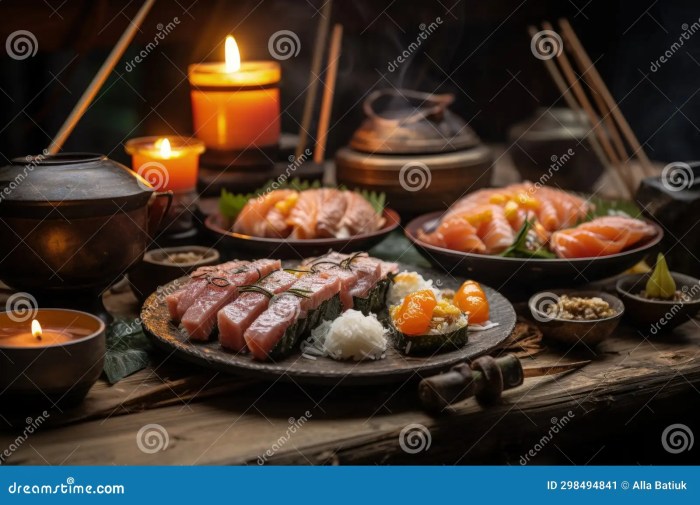
Japanese sauce dishes, renowned for their exquisite balance of flavors and aesthetics, often employ garnishes as integral components, exceeding simple adornment. These subtle additions significantly enhance the visual appeal, conveying cultural symbolism, and subtly impacting the overall dining experience. The careful selection and placement of garnishes speak volumes about the dish’s intention and the chef’s artistry.Beyond mere embellishment, garnishes in Japanese cuisine serve as visual cues, contributing to the overall harmony of the plate.
They provide a framework for the dish, leading the eye and directing the palate, creating a more engaging and memorable dining experience. This intentional approach to visual presentation underscores the profound respect for aesthetics within Japanese culinary traditions.
Symbolic and Aesthetic Importance of Garnishes
Garnishes in Japanese sauce dishes are not merely decorative elements; they carry symbolic meaning and contribute significantly to the dish’s overall aesthetic appeal. They frequently evoke specific natural elements, seasons, or cultural motifs. For instance, the use of vibrant green scallions can represent springtime, while the delicate elegance of seaweed might symbolize the ocean’s bounty. The careful arrangement and color combinations of garnishes, along with the primary sauce dish, contribute to a harmonious and balanced presentation.
Types of Garnishes Commonly Used
A variety of ingredients serve as garnishes in Japanese sauce dishes, each contributing unique visual and textural elements. Common choices include:
- Seaweed (Nori): Thin sheets of dried seaweed, often used to highlight the delicate balance of flavors. Their presence provides a subtle salty contrast and a visually appealing texture, often adding a subtle smoky flavor.
- Sesame Seeds (Goma): These seeds, toasted to a golden brown, add a nutty, savory note to the dish and a pop of visual interest. Their subtle crunch complements the textures of other garnishes and sauces.
- Chopped Scallions (ネギ): The vibrant green color of scallions is frequently used to complement the color palette of the main dish. Their subtle flavor adds a freshness and a visual dimension, especially in dishes meant to highlight the freshness of ingredients.
- Edamame: Steamed soybeans, a popular side dish in Japanese cuisine, are also used as a garnish. Their small size and vibrant green hue provide a contrasting visual element and a satisfying texture, often complementing the savory flavors.
Contribution to Visual Balance and Interest
The strategic placement and selection of garnishes significantly influence the overall visual balance and appeal of a Japanese sauce dish. The color, shape, and texture of the garnishes are carefully chosen to complement the main dish, creating a harmonious visual effect. A well-balanced dish uses garnishes to draw attention to specific components, without overwhelming the primary focus of the dish.
| Garnish | Purpose | Visual Effect |
|---|---|---|
| Seaweed | Adds textural and salty contrast; visual emphasis on the dish’s essence | Provides a subtle, earthy visual; creates a feeling of freshness |
| Sesame Seeds | Adds a nutty, savory dimension and visual interest; enhances the depth of flavor | Creates a warm, inviting visual; highlights the dish’s richness |
| Chopped Scallions | Provides a visual counterpoint to the main dish; enhances the freshness of the dish | Adds a pop of vibrant color; creates a visually stimulating contrast |
| Edamame | Adds a textural and visual contrast; highlights the freshness of the dish | Provides a small but significant visual accent; adds a visual dimension |
Lighting and Atmosphere in Presentation
The artful presentation of Japanese sauce dishes transcends mere aesthetics; it evokes a sensory experience, transporting diners to a culinary journey. Lighting, a crucial element, plays a pivotal role in setting the stage for this journey, influencing mood and enhancing the perceived quality of the dish. Properly considered lighting can transform a simple plate of noodles into a visual masterpiece, inviting appreciation and delight.Effective lighting not only highlights the vibrant colors and textures of the ingredients but also subtly underscores the delicate balance of flavors.
By strategically manipulating light, chefs and restaurateurs can amplify the presentation’s impact, creating a memorable dining experience that goes beyond the taste alone. The careful selection of lighting, in concert with tableware and garnishes, ultimately shapes the overall atmosphere, leaving a lasting impression on the diner.
Impact of Different Lighting Settings
Varying lighting settings can dramatically alter the mood and atmosphere surrounding a Japanese sauce dish. Soft, warm incandescent lighting can evoke a sense of intimacy and comfort, ideal for a casual dinner. Cooler, more focused spotlights, on the other hand, can highlight the intricate details of the dish, lending an air of sophistication and elegance. The choice of lighting should always align with the overall ambiance of the restaurant and the specific dish being presented.
For instance, a dimly lit setting with warm, ambient lighting might be suitable for a romantic dinner, while a brighter, more focused setting could be more appropriate for a bustling lunch.
Importance of Background Elements
The background elements, such as tableware and chopsticks, are crucial in completing the visual presentation of Japanese sauce dishes. These elements should complement the dish without overshadowing it. The color and texture of the tableware should harmonize with the sauce and ingredients, providing a backdrop that enhances the overall visual appeal. For example, a simple, white ceramic plate can effectively showcase the vibrant colors of a colorful noodle dish, while a dark, rustic plate might be more appropriate for a dish with rich, earthy tones.
Similarly, the choice of chopsticks should reflect the overall aesthetic of the presentation, aligning with the tableware and the mood of the setting.
Creating a Table of Lighting Scenarios
| Lighting Scenario | Description | Impact on Dish | Suitable Atmosphere |
|---|---|---|---|
| Warm, Ambient Lighting | Soft, diffused light from overhead fixtures. | Creates a cozy and inviting atmosphere, emphasizing the overall dish. | Casual dining, romantic settings, intimate gatherings. |
| Focused Spotlights | Bright, concentrated light highlighting specific areas of the dish. | Emphasizes textures, colors, and intricate details of the ingredients and garnishes. | High-end restaurants, special occasions, showcasing culinary artistry. |
| Natural Light | Illumination from natural sources, such as windows. | Can create a refreshing and vibrant feel, especially in settings with a connection to nature. | Outdoor dining, restaurants with large windows, settings emphasizing freshness. |
| Colored Lighting (e.g., warm yellow, cool blue) | Using colored lights to accentuate the dish or setting. | Can evoke a specific mood or enhance the colors of the dish. Careful consideration is required to avoid jarring or overwhelming the visual experience. | Theme restaurants, special events, adding a touch of artistic flair. |
Modern Interpretations of the Aesthetic
Contemporary Japanese cuisine, particularly sauce-based dishes, is undergoing a vibrant evolution, pushing boundaries while honoring tradition. Modern chefs are infusing familiar techniques with innovative design elements, creating visually arresting and flavourful experiences that resonate with today’s discerning palates. This evolution is driven by a desire to reinvent the classic while staying true to the core principles of Japanese culinary artistry.This contemporary approach to Japanese sauce dishes extends beyond mere aesthetics; it reflects a deeper understanding of ingredient sourcing, presentation, and the overall dining experience.
The innovative use of color, texture, and composition reflects a conscious effort to elevate the traditional to a new level of sophistication.
Contemporary Examples of Japanese Sauce Dishes
Modern interpretations of Japanese sauce dishes draw inspiration from various sources, showcasing a dynamic interplay of tradition and innovation. These interpretations are not simply variations but rather a conscious reimagining of the fundamentals, resulting in fresh, exciting, and visually appealing creations. The core principles of balance, harmony, and simplicity remain, but are executed with a contemporary twist.
- Innovative Sauce Combinations: Chefs are experimenting with unexpected pairings of traditional Japanese sauces with international flavors. For example, a dish featuring teriyaki-glazed salmon might incorporate a subtle hint of yuzu and ginger, alongside a modern interpretation of a traditional Japanese vegetable. This fusion creates an intriguing flavor profile while maintaining the visual elegance characteristic of Japanese cuisine.
- Texture Play: The incorporation of diverse textures is a defining characteristic of modern Japanese sauce dishes. Consider a dish featuring a delicate, seared scallop nestled on a bed of vibrant, crispy vegetables, drizzled with a subtly sweet, soy-based sauce. The contrasting textures contribute to a rich sensory experience, while the sauce adds a touch of depth.
- Geometric Presentation: Contemporary design elements, such as precise geometric shapes and intentional negative space, are now integral to the visual presentation of Japanese sauce dishes. This minimalist approach, drawing inspiration from Japanese design aesthetics, creates a sense of calm and elegance.
Adapting Traditional Techniques
Contemporary chefs are adapting traditional Japanese techniques to create visually stunning dishes. This involves not just replicating but refining and reinterpreting traditional methods. For example, the precise layering of ingredients in a traditional Japanese bento box is now adapted to create modern, visually striking plates, highlighting the interplay of textures and colors.
- Modernizing Marinades: Traditional Japanese marinades are being updated with innovative flavor profiles and presentation techniques. The focus is on creating unique flavor combinations while retaining the essence of the original techniques. For example, a contemporary marinade for fish might incorporate a blend of citrus fruits and Japanese herbs, resulting in a sophisticated and refreshing dish.
- Creative Garnishes: Garnishes are now used to enhance both the visual appeal and flavor of dishes. The careful selection of garnishes, often incorporating microgreens, edible flowers, or delicate vegetables, complements the main component of the dish, adding a layer of visual interest and depth.
Influence of Contemporary Design Elements
The visual presentation of Japanese sauce dishes is increasingly influenced by contemporary design principles. These principles, often rooted in minimalism and a focus on simplicity, enhance the overall dining experience.
- Emphasis on Minimalism: The emphasis on minimalism, a hallmark of Japanese design, is now integrated into the visual presentation of Japanese sauce dishes. This approach, focusing on clean lines and strategic negative space, creates a sophisticated aesthetic that elevates the overall dining experience.
- Color Palette: Contemporary palettes frequently feature a combination of vibrant and muted tones, mirroring the delicate balance of nature found in Japanese aesthetics. This balance adds a touch of serenity to the visual experience.
Comparison of Traditional and Modern Interpretations
| Characteristic | Traditional Style | Modern Interpretation |
|---|---|---|
| Sauce Base | Typically soy-based, mirin-based, or teriyaki-based | Innovative combinations, incorporating international flavors, such as a citrus-ginger teriyaki sauce |
| Garnishes | Often simple, focusing on enhancing the dish’s flavors | Visually striking, incorporating edible flowers, microgreens, and delicate vegetables to add both visual interest and texture |
| Presentation | Emphasis on balance and harmony, often utilizing traditional bento box principles | Geometric patterns, precise layering, and intentional negative space to create a visually stunning plate |
Traditional vs. Contemporary Techniques
Traditional Japanese sauce dishes often showcase a meticulous, centuries-old approach to ingredient selection and preparation. This emphasis on respect for the natural flavors of ingredients and a focus on simplicity often translates into visually striking, yet understated presentations. Contemporary techniques, however, frequently integrate modern culinary innovations, sometimes resulting in bolder flavor profiles and more dynamic visual displays.Contemporary approaches, driven by innovation and a desire to push creative boundaries, often leverage modern techniques to elevate the visual and textural aspects of the dishes.
This includes innovative cooking methods and an exploration of diverse flavor combinations. These changes often have a profound impact on the visual appeal, moving beyond the traditional aesthetic.
Comparison of Traditional and Contemporary Techniques
Traditional Japanese sauce dishes prioritize a harmony of flavors and textures, often achieved through time-honored techniques. These methods focus on achieving a balance between the richness of the sauce and the delicate essence of the ingredients. Modern techniques, however, frequently embrace experimentation with various cooking methods and ingredients, often incorporating international influences. This fusion creates a vibrant and dynamic approach to Japanese sauce dishes, which often leads to unexpected combinations.
Visual Effects of Different Techniques
Traditional techniques, with their focus on minimal manipulation, often result in a more restrained and elegant visual presentation. The natural colors and textures of ingredients are highlighted, emphasizing the purity of the flavors. Contemporary techniques, on the other hand, frequently introduce innovative presentations that use colors and textures to enhance the visual impact of the dish. This might involve incorporating vibrant garnishes, contrasting textures, or unconventional arrangements to create a visually engaging experience.
Impact of Modern Culinary Techniques
Modern culinary techniques are transforming the presentation of Japanese sauce dishes, moving away from the traditional, often understated approach. Techniques such as molecular gastronomy and innovative plating methods allow chefs to create visually stunning presentations, showcasing the complexity and artistry of the dish. The use of foams, gels, and other techniques allows for a more interactive and engaging dining experience.
The use of sous vide, for example, allows chefs to achieve precise temperature control, resulting in tender ingredients that are enhanced by the sauce, potentially producing a dish that is both aesthetically pleasing and flavorful.
Traditional vs. Contemporary Techniques Table
| Technique | Traditional | Contemporary | Visual Effect |
|---|---|---|---|
| Ingredient Selection | Emphasis on seasonal, high-quality, and locally sourced ingredients. | Exploration of diverse ingredients, potentially including international flavors and textures. | Natural colors and textures highlight the purity of flavors in traditional dishes. Contemporary approaches showcase bolder color combinations and textures. |
| Cooking Methods | Slow cooking, simmering, and traditional pan-frying. | Sous vide, molecular gastronomy techniques, and high-heat cooking. | Traditional methods create a subtle, balanced presentation, while contemporary techniques lead to a dynamic and often surprising visual effect. |
| Plating and Garnishes | Minimalist approach, focusing on natural beauty of ingredients. | Bold plating and creative garnishes, showcasing textures and colors. | Traditional dishes often use subtle garnish, emphasizing the natural beauty of ingredients. Contemporary approaches use garnishes and colors to create an engaging and exciting visual. |
Historical Context of Visual Elements
Japanese sauce dishes, renowned for their artistry and meticulous presentation, haven’t emerged overnight. Their visual aesthetic is deeply rooted in centuries of cultural evolution, reflecting changing tastes, technological advancements, and evolving social norms. The careful arrangement of ingredients, the selection of garnishes, and the overall atmosphere contribute to a visual language that speaks volumes about Japanese culture and its historical trajectory.The development of these visual elements is not simply a stylistic evolution; it’s a reflection of broader historical and cultural shifts.
From the influence of Zen Buddhism’s emphasis on simplicity and harmony to the impact of trade and globalization, each period has left its mark on the presentation of Japanese sauce dishes, shaping the current aesthetic.
Evolution of Presentation Styles
The evolution of presentation styles in Japanese sauce dishes is a fascinating reflection of changing social values and cultural influences. Early examples often emphasized functionality and practicality, with presentations focusing on efficient serving and consumption. As societal values shifted, so too did the visual emphasis, incorporating aesthetic principles that highlighted elegance and sophistication.
Historical Influences on the Current Aesthetic
Several key historical influences have shaped the current aesthetic of Japanese sauce dishes. The aesthetic principles of Zen Buddhism, emphasizing simplicity, harmony, and the appreciation of natural beauty, played a crucial role. The evolution of tableware and cooking techniques further contributed to the development of visual elements, reflecting advancements in craftsmanship and the availability of ingredients. Furthermore, the historical interaction with other cultures, through trade and exchange, influenced the integration of diverse visual elements into Japanese culinary traditions.
Cultural Shifts Influencing Presentation
Cultural shifts, both internal and external, have undeniably impacted the evolution of presentation styles. For instance, the rise of the tea ceremony in the 12th century fostered a deeper appreciation for aesthetics in everyday life, influencing the presentation of food. The introduction of new ingredients and cooking techniques through trade routes also introduced novel visual elements into the cuisine.
Table: Historical Evolution of Japanese Sauce Dishes’ Presentation
| Period | Key Influences | Presentation Style | Visual Elements |
|---|---|---|---|
| Early Edo Period (1603-1868) | Zen Buddhism, rise of tea ceremony | Functional, practical | Emphasis on simplicity, harmony, natural ingredients; dishes often served directly from the pot, with minimal embellishment. |
| Meiji Restoration (1868-1912) | Westernization, modernization | Increased emphasis on elegance, refinement | Introduction of new tableware and presentation techniques, incorporating elements of Western aesthetics. |
| Post-War Era (1945-present) | Globalization, increased access to ingredients, focus on individual expression | Modern interpretations of traditional styles; experimentation with presentation | Innovative use of color, texture, and composition; integration of modern design principles into the presentation. |
Specific Dish Analysis (Example: Yakitori)
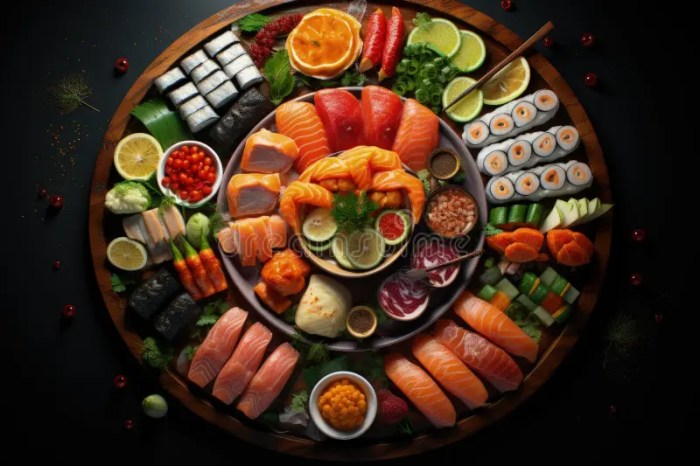
Yakitori, a beloved Japanese street food, transcends mere sustenance. Its visual appeal, meticulously crafted through ingredient selection, skewering techniques, and sauce application, contributes significantly to its overall enjoyment. The presentation is as much an art form as a culinary experience, showcasing the interplay of textures, colors, and aromas.The visual aesthetic of yakitori hinges on the careful handling of each element.
From the meticulously prepared skewers to the nuanced application of sauces, every detail contributes to the dish’s visual narrative. The skillful presentation reflects the dedication and artistry inherent in Japanese culinary traditions.
Skewers and Sauce Application
The skewers, often bamboo or metal, are fundamental to yakitori’s visual identity. Their even spacing and careful alignment are crucial. The uniform application of sauce, whether a light glaze or a thicker marinade, is critical in highlighting the meat’s natural texture and enhancing its color. A consistent, controlled application creates a visually appealing pattern, drawing the eye and hinting at the balanced flavor profile.
Ingredient Selection and Visual Impact
The selection of ingredients directly impacts the visual presentation of yakitori. The choice of meat, whether chicken, pork, or beef, influences the overall color palette. Vegetables, such as bell peppers, onions, and mushrooms, add visual interest and contrast, breaking up the meat and creating a dynamic visual tapestry. The meticulous selection of ingredients, considered not just for flavor but for visual impact, is a hallmark of Japanese cuisine.
Visual Characteristics of Yakitori
| Element | Visual Characteristics |
|---|---|
| Skewers | Uniformly spaced, aligned, and often with a slight curve for visual appeal. The material (bamboo or metal) contributes to the overall aesthetic. |
| Meat | Evenly cooked, with a color that varies depending on the type of meat and the cooking method. Marination or grilling techniques can affect the appearance. |
| Sauce/Marinade | Even application, creating a visual pattern on the meat and vegetables. The color and consistency of the sauce further contribute to the visual appeal. |
| Vegetables | Freshly cut and often brightly colored, providing visual contrast to the meat. Their arrangement on the skewers is considered for both aesthetics and flavor. |
| Garnish | Minimalist, if any. A few finely chopped scallions or sesame seeds might be used for a subtle finishing touch. |
Materials and Textures
The presentation of Japanese sauce dishes transcends mere functionality; it’s a meticulously crafted experience engaging multiple senses. Material selection and tactile qualities play a crucial role in elevating the overall aesthetic, echoing the dish’s essence and cultural significance. The interplay of textures and materials, from the subtle warmth of wood to the cool smoothness of ceramic, contributes significantly to the visual symphony of the meal.The carefully chosen materials in the presentation of Japanese sauce dishes speak volumes about the dish’s character and cultural context.
The textures of the plates and bowls, alongside the ingredients themselves, create a multi-layered visual narrative, reflecting the dish’s sophistication and artistry. The thoughtful selection of natural elements further enhances the visual impression, bringing a sense of harmony and grounding to the presentation.
Impact of Ceramic
Ceramic, a prevalent material in Japanese cuisine, often exhibits a matte or glazed finish, adding a subtle sheen that complements the vibrant colors of the sauce dishes. The inherent smoothness of ceramic contrasts with the textures of the ingredients, creating a visual hierarchy that draws the eye. Different glazes and patterns can evoke specific moods or traditions, further enriching the aesthetic.
For example, a simple, unglazed earthenware plate might be paired with a delicate, light-colored sauce, allowing the dish to shine, whereas a heavily patterned ceramic plate might be chosen to accentuate the complex flavors of a richer sauce.
Impact of Bamboo and Wood
Bamboo and wood, deeply rooted in Japanese aesthetics, bring a sense of natural warmth and grounding to the presentation. Their organic textures, whether smooth or slightly rough, create a harmonious counterpoint to the food. The use of wood, in particular, adds a touch of rustic elegance, often used for serving trays or chopsticks. Bamboo’s natural striations and grain patterns add a visual interest that complements the dish’s ingredients.
The natural color variations of these materials, often left unadorned, further contribute to the aesthetic. The natural grains in the wood and bamboo plates provide a sense of grounding, a feeling of connection to nature, which is often central to Japanese culture.
Impact of Natural Elements
The incorporation of natural elements in the presentation enhances the visual impression of Japanese sauce dishes. This includes the use of fresh herbs, edible flowers, and sprigs of vegetables as garnishes. The presence of natural elements, such as leaves and branches, adds a touch of organic elegance, emphasizing the dish’s connection to nature and its fresh ingredients. The inclusion of these elements creates a visual narrative, connecting the dish to its natural origins.
The use of fresh, seasonal ingredients further emphasizes this connection.
Comparative Analysis of Materials
| Material | Texture | Visual Impact | Examples |
|---|---|---|---|
| Ceramic | Smooth, matte, or glazed | Highlights the vibrant colors of the sauce, creates visual hierarchy | Earthenware, porcelain, glazed ceramic plates |
| Bamboo | Striated, natural | Adds organic warmth, visual interest | Bamboo platters, serving trays |
| Wood | Natural grain, varying textures | Rustic elegance, harmonious counterpoint to food | Wooden trays, serving platters, chopsticks |
Outcome Summary
In conclusion, Japanese sauce dishes represent a harmonious blend of culinary artistry and cultural significance. The aesthetic appeal is meticulously crafted, drawing on a rich history of visual traditions and employing modern techniques to create stunning visual displays. From the meticulous plating of a simple yakitori to the innovative interpretations of contemporary chefs, these dishes offer a captivating glimpse into the beauty of Japanese cuisine.
The detailed analysis presented here underscores the significance of visual presentation in elevating the overall dining experience.
